5 Things Most Property Managers Completely Miss During Routine Inspections
2/22/20262 min read
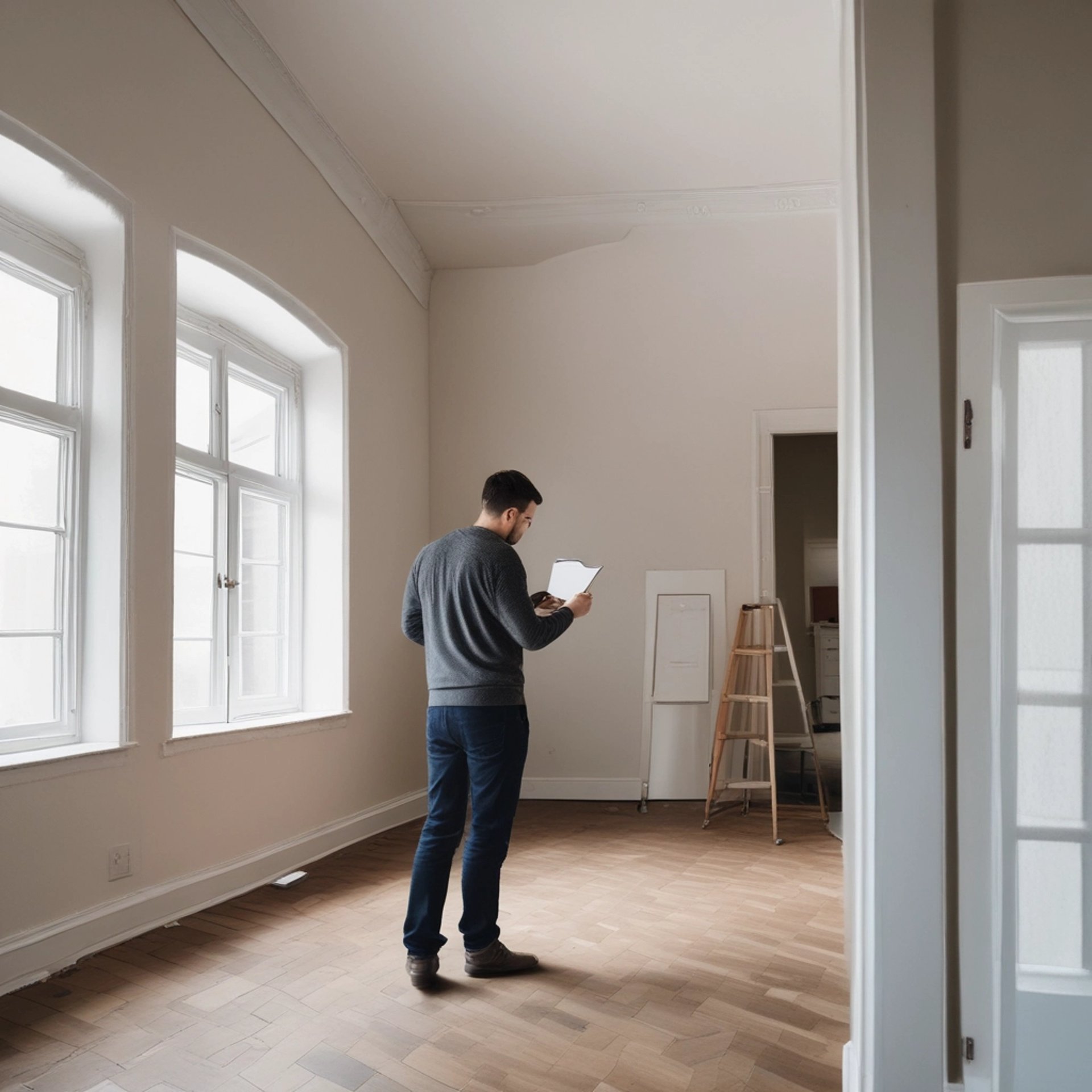
Routine inspections are one of the most important parts of protecting a rental property. On paper, they may look simple. Walk through the home, take photos, complete the checklist, and send the report.
In reality, many inspections are rushed, surface level, and focused mainly on tenant damage. What often gets missed are the small warning signs that quietly turn into expensive repairs months later.
Here are five things most property managers overlook during inspections, and why they really do matter.
1) Early Signs of Moisture and Leaks
Water damage rarely starts with a dramatic ceiling collapse. It begins subtly.
Commonly missed signs include:
Slight bubbling in paint
Soft skirting boards
Minor staining in corners
Musty smells in wardrobes
Hairline cracks near window frames
Unchecked moisture can lead to mould, timber rot, and long term structural damage and be detrimental to tenants health. In New Zealand, where compliance with the Healthy Homes Standards is mandatory, overlooking moisture issues can also create legal risk.
A thorough inspection does not just look for visible leaks. It looks for patterns that suggest moisture is building behind walls or under flooring.
NB The Tenancy Tribunal has shown less sympathy for "didn't know" defenses and has awarded significant damages in cases where landlords failed to act, especially in situations where tenants health was impacted.
2) Gutter and Roofline Deterioration
Most inspections focus inside the home. The exterior is often glanced at quickly from ground level.
What is frequently missed:
Gutters sagging slightly
Downpipes not draining properly
Debris build up at roof valleys
Early rust along flashing
Minor cracks in roof tiles
These issues are inexpensive when caught early. Left untreated, they allow water intrusion into fascia boards, internal walls, and ceilings.
An inspection should include a proper exterior assessment, not just a quick look at the lawn and fence.
3) Ventilation Failures
Many homes appear dry and tidy during the day, but ventilation systems can quietly fail.
Common oversights:
Bathroom fans that are running but not extracting properly
Rangehood filters clogged with grease
Blocked soffit vents
Windows that no longer seal correctly
Poor ventilation contributes directly to condensation, mould growth, and tenant health complaints. Under the Residential Tenancies Act 1986, landlords must provide and maintain adequate ventilation. A surface-level inspection often fails to test functionality, focusing instead on appearance.
4) Gradual Wear That Signals Bigger Problems
Not all deterioration is tenant related. Some wear patterns indicate building movement or system failure.
Subtle red flags include:
Doors that suddenly stop closing smoothly
Cracks above window frames
Uneven flooring developing over time
Repeated minor plumbing leaks in the same area
These can signal foundation settlement, framing movement, or pipe degradation. When inspections only document damage rather than trends, these warning signs are missed.
Effective inspections compare previous reports and look for change over time.
5) Compliance Drift
A property might be compliant at the start of a tenancy. Over time, small changes can create compliance gaps.
Often missed:
Smoke alarm batteries removed or expired
Insulation displaced during maintenance
Heat pumps not serviced
Handrails loosening
Exterior steps becoming unsafe
Compliance is not a one time event. It requires ongoing verification. Many property managers assume that once installed, systems remain compliant. They do not.
The Real Issue: Rushed Inspections
The core problem is not incompetence. It is volume. When a property manager carries too many homes, inspections become a box-ticking exercise.
A proper inspection should:
Compare previous reports
Look for patterns and change
Assess maintenance trends
Evaluate compliance
Protect both landlord and tenant
Contact
Reach out anytime for property support.
© 2026. All rights reserved.
Standard Hours
8am - 5pm
Emergency Line
24/7
Phone
+64 21 1161 350
Email
info@nestcare.nz